
Executive Index
- ⚡ 1. The "1.5 Ton" Default Setting: Why It's Failing You
- ⚡ 2. The Math Behind the Cool: BTUs vs. Tons
- ⚡ 3. The Silent Killers of Cooling
- ⚡ 4. Inverter Technology in 2026: Is Non-Inverter Dead?
- ⚡ 5. Understanding EER, SEER, and ISEER Ratings
- ⚡ 6. Smart Features: Gimmick or Gold?
- ⚡ 7. Installation: Where Good ACs Go to Die
- ⚡ 8. Aluminium vs. Copper Condensers
- ⚡ 9. The "Smart" Choice for Specific Rooms
- ⚡ Conclusion: Buy for 2030, Not Just 2026
Don't Buy a 1.5 Ton AC Until You Read This (2026 Guide)
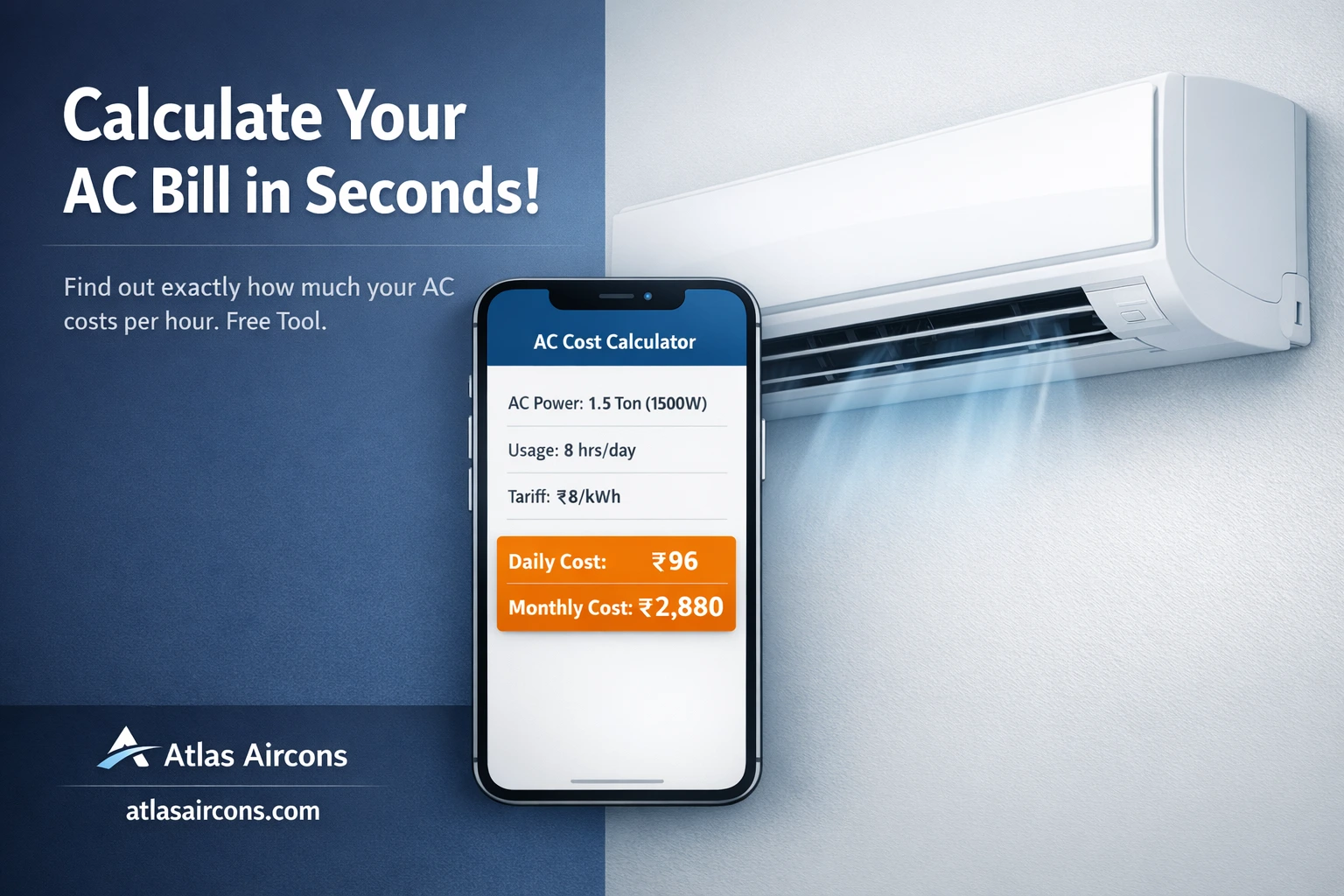
Most people overspend on electricity because they buy the wrong size. Use our Free Tonnage Calculator below to check yours.
Free AC Tonnage Calculator (2026 Edition)
Enter your room details to see exact cooling requirements.
It is the classic summer trap. You walk into an appliance store, sweat dripping down your back, and the salesperson points you immediately to the "bestseller"—a standard 1.5 Ton 3-Star Inverter AC. They don't ask about your room size. They don't ask if you live on the top floor. They definitely don't ask about your window insulation.
They just sell you what everyone else buys.
Fast forward three months. Your electricity bill has doubled, yet your room still feels like a sauna at 2 PM. Or worse, the AC cools the room in 5 minutes but leaves it feeling humid and clammy because it's "short-cycling."
Welcome to the definitive 2026 guide to Air Conditioning. The technology has changed, the refrigerants have changed (goodbye R-410A, hello R-454B and R-32), and the old "thumb rules" your dad used no longer apply.
Anchor Text: understanding inverter technology
Link to a pillar page about 'Inverter vs Dual Inverter vs Triple Inverter'
1. The "1.5 Ton" Default Setting: Why It's Failing You
In India and many warmer climates, "1.5 Ton" has become synonymous with "AC." It is the safety blanket of HVAC sizing. But in 2026, precision is everything.
If your AC is undersized (e.g., buying a 1.5 Ton for a large 250 sq ft hall), the compressor will run at 100% capacity continuously. It will never reach the cutoff temperature, consuming massive amounts of power while failing to cool the room.
If your AC is oversized (e.g., buying a 1.5 Ton for a small 10x10 study room), it will cool the room too fast. This sounds good, but it's actually disastrous. An AC needs time to dehumidify the air. If it shuts off in 5 minutes, it leaves moisture behind. You get a cold, damp room that smells of mildew. Plus, the constant start-stop cycle wears out the compressor circuit board—a part that costs upwards of $150 to replace.
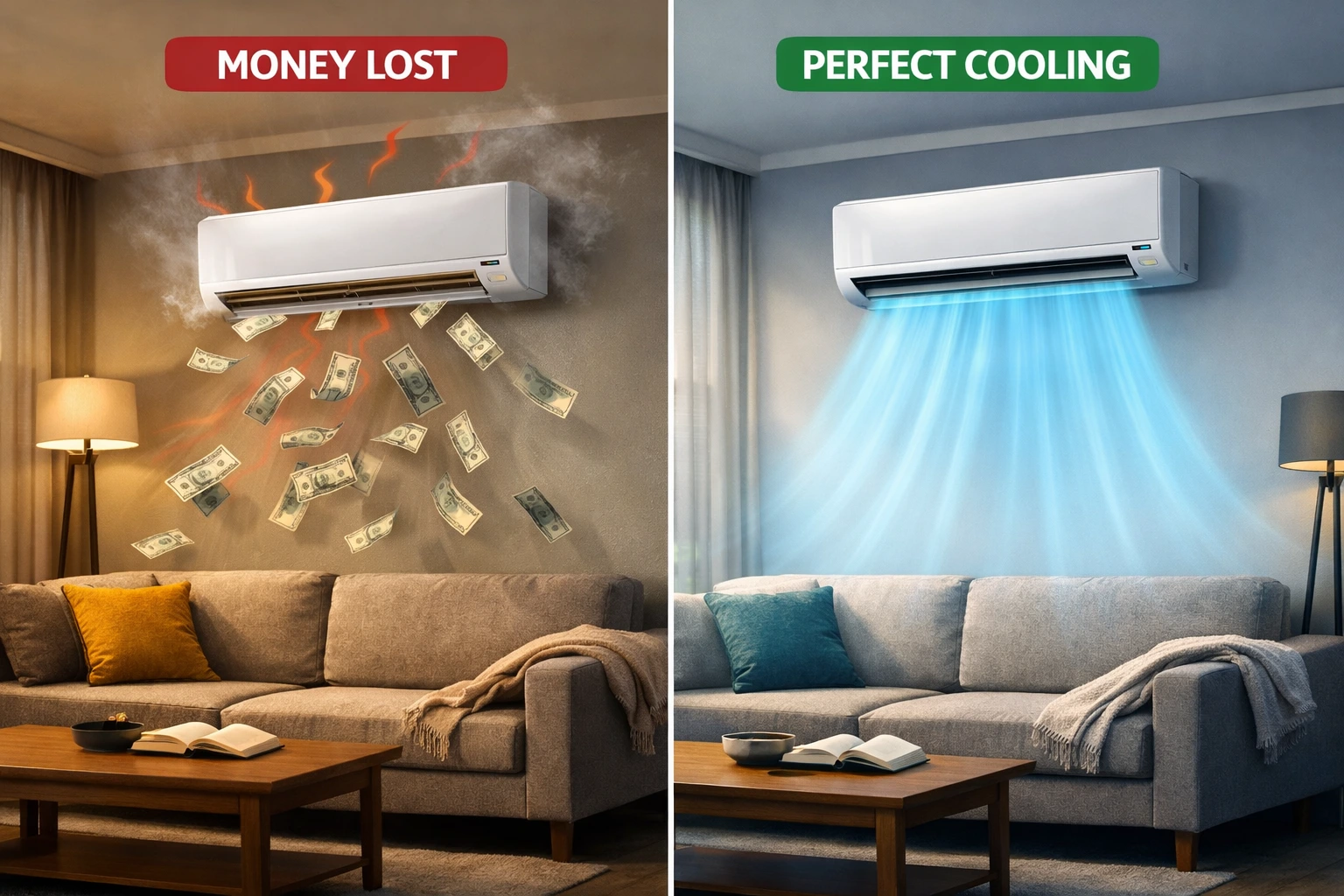
Fig 1.1: The 'Goldilocks Zone' of AC Sizing
2. The Math Behind the Cool: BTUs vs. Tons
We use the word "Ton," but that is an archaic term dating back to when cooling was measured by the amount of heat required to melt a ton of ice in 24 hours. The metric you actually need to care about in 2026 is BTU (British Thermal Units).
1 Ton ≈ 12,000 BTU/hr.
However, not all "1.5 Ton" ACs are created equal. In 2026, manufacturers are tricky. Read the specification sticker (usually hidden on the side of the unit).
- Premium 1.5 Ton Model: Might deliver 18,500 BTU (Actually 1.55 Ton).
- Budget 1.5 Ton Model: Might deliver only 16,800 BTU (Actually 1.4 Ton).
That "cheap" deal you found online might actually be a 1.4 Ton AC disguised as a 1.5 Ton. Always check the Rated Cooling Capacity (100%) in Watts or BTUs.
2026 Pro Tip: The "52°C" Test
Many manufacturers claim high capacity at standard test conditions (35°C). But with global temperatures rising, you need to check the "Derated Capacity" at 52°C. A good AC retains 85% of its cooling power at extreme heat. A bad one drops to 60%.
3. The Silent Killers of Cooling
The calculator above gave you a baseline, but you need to manually account for these "Silent Killers" that drain your cooling efficiency.
A. The Ceiling Heat Trap
If you live on the top floor, your ceiling acts like a giant radiator. The sun beats down on the roof all day, heating the concrete slab. This heat radiates downward into your room all night.
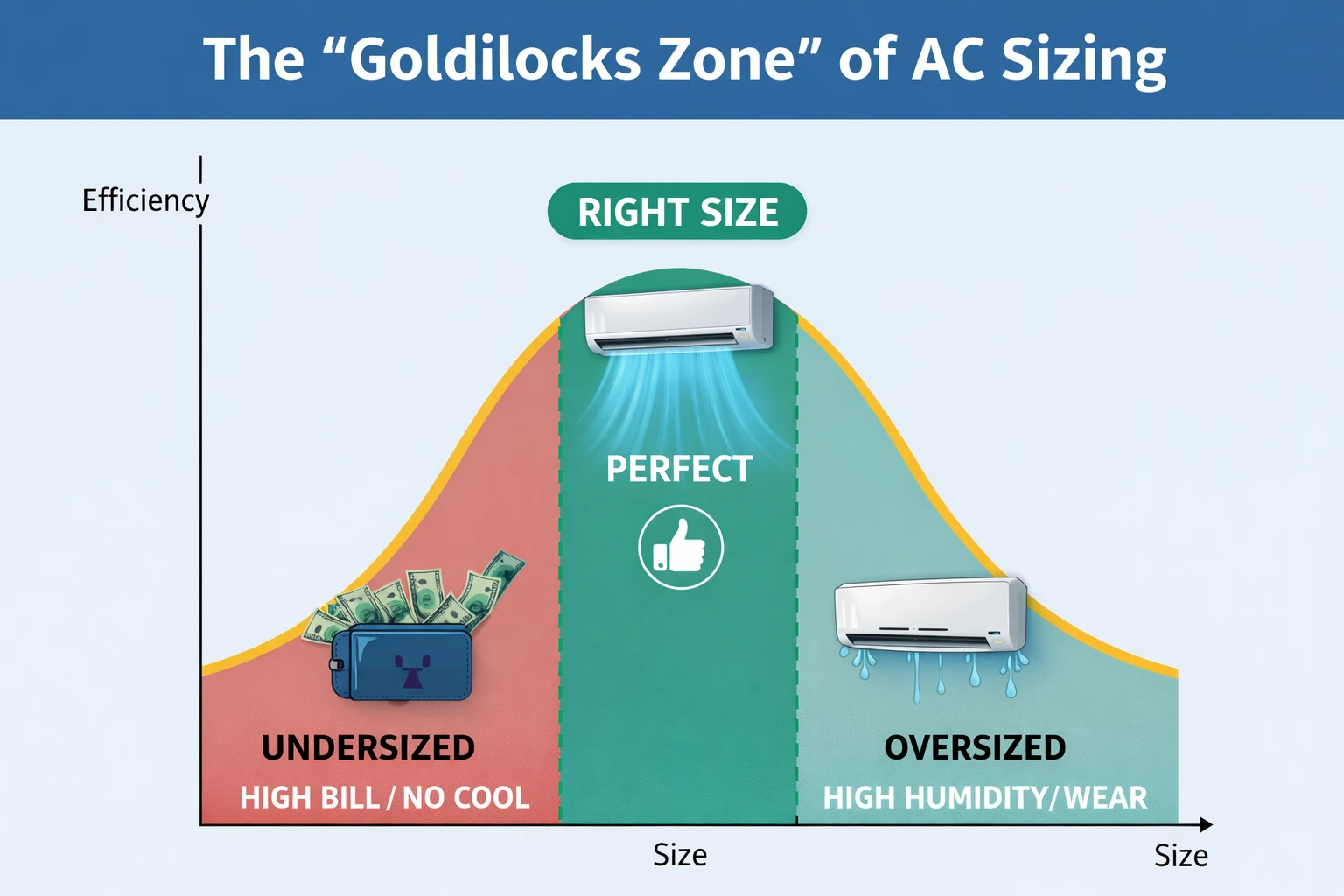
Fig 3.1: Understanding the Heat Trap Effect
The Fix: If you are on the top floor, oversize your AC by at least 20%. If the math says 1.5 Ton, buy a 1.8 Ton or a "Heavy Duty" 2.0 Ton. Alternatively, invest in false ceiling insulation—it’s cheaper than paying for wasted electricity for the next 10 years.
B. The Glass Wall Trend
Modern architecture loves floor-to-ceiling glass windows. While beautiful, glass is a terrible insulator. If your glass faces West or South, your AC is fighting a losing battle against the greenhouse effect.
The Fix: Install heavy blackout curtains or apply UV-reflective film to the windows. Without this, even a 2 Ton AC might fail in a 1.5 Ton room.
Anchor Text: best blackout curtains for thermal insulation
Link to an affiliate product review or guide on thermal curtains.
4. Inverter Technology in 2026: Is Non-Inverter Dead?
Five years ago, we debated Inverter vs. Non-Inverter. In 2026, the debate is largely over, but with a caveat.
How Inverter Works (The Car Analogy):
A non-inverter AC is like driving a car where you can only floor the accelerator or slam the brakes. It's 0 or 100.
An inverter AC is like using the gas pedal normally. It adjusts the speed of the compressor to maintain the temperature.
Why buy Non-Inverter in 2026? Honestly, you mostly shouldn't. However, if you are buying an AC for a server room that needs to run 24/7 at full blast, or for an open space like a guard cabin where insulation is zero, a non-inverter (Fixed Speed) machine is more robust and cheaper to repair.
For your bedroom? Always Inverter. Look for "Dual Inverter" or "Twin Rotary" compressors. They vibrate less, make less noise, and cool faster.
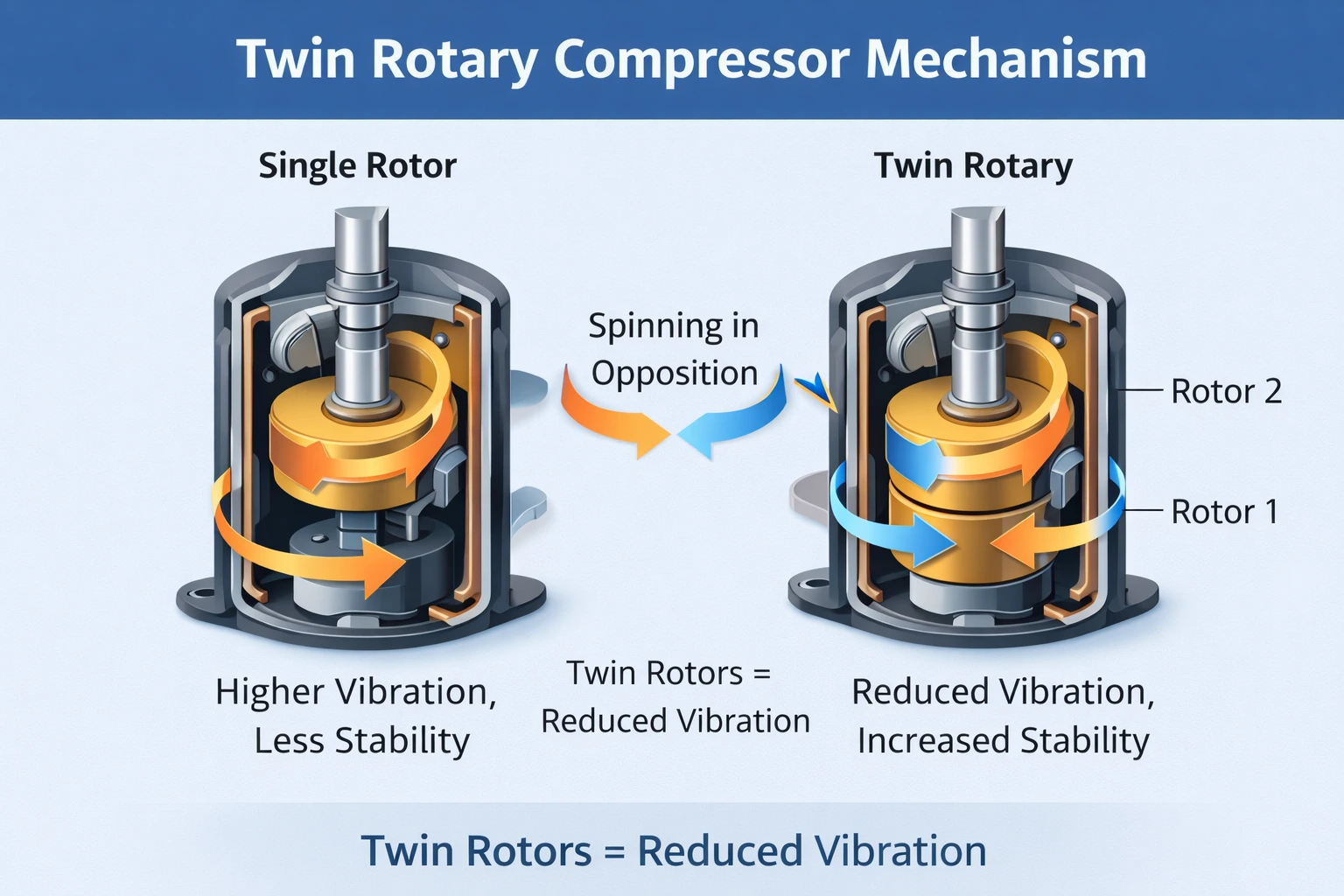
Fig 4.1: Modern Twin Rotary Compressor
5. Understanding EER, SEER, and ISEER Ratings
The Star Rating (1 to 5 stars) is useful, but it's a simplification. The real metric is the ISEER (Indian Seasonal Energy Efficiency Ratio) or SEER depending on your region.
Here is the cheat sheet for 2026:
| Star Rating | ISEER Range (2026) | Verdict |
|---|---|---|
| 3 Star | 3.8 - 4.4 | Good for usage < 4 hours/day. |
| 4 Star | 4.5 - 4.9 | The sweet spot for most homes. |
| 5 Star | 5.0 - 6.2 | Mandatory for usage > 8 hours/day. |
The ROI Calculation: A 5-Star AC costs about $100-$150 more than a 3-Star AC. If you run your AC for 8 hours a night, you will recover that extra cost in electricity savings in about 1.5 years. After that, it is pure profit.
Video: Real-world ROI Calculation (5-Star vs 3-Star)
6. Smart Features: Gimmick or Gold?
ACs in 2026 come with WiFi, AI cooling, and motion sensors. Are they worth it?
Worth It: Convertible Modes
Many modern ACs (4-in-1, 6-in-1 convertible) allow you to run a 1.5 Ton AC at 0.8 Ton capacity. This is brilliant for humid monsoon nights when you need less cooling but consistent running for dehumidification.
Maybe Skip: "AI" Cooling
While marketing claims "AI" learns your patterns, mostly it just uses a motion sensor to turn off if you leave. You can achieve similar efficiency by just setting a timer or using a basic sleep mode. Don't pay a premium just for the AI sticker.
7. Installation: Where Good ACs Go to Die
You can buy the best $800 Mitsubishi or Daikin unit, but if the installation is bad, it will perform like a $200 junker.
The Vacuum Pump Mandate: This is non-negotiable. When the installer connects the copper pipes, they MUST use a vacuum pump to remove air and moisture from the pipes before releasing the refrigerant.
If they just "purge" (release a bit of gas to push air out), fire them immediately. Moisture inside the pipes mixes with the oil and refrigerant to create sludge. This sludge will acidicly corrode your compressor from the inside out.
Ask this question before booking installation: "Will your technician bring a vacuum pump?"
Anchor Text: AC installation checklist PDF
Link to a downloadable lead magnet checklist for supervising installation.
8. Aluminium vs. Copper Condensers
In 2026, you might still see some cheaper models with Aluminium condensers.
Just say no.
Aluminium is cheaper but cannot be repaired. If it develops a micro-leak (which it will, due to corrosion), you have to replace the entire coil, which costs 40% of the AC's price. Copper can be brazed and repaired easily. Always check for "100% Copper" branding.
9. The "Smart" Choice for Specific Rooms
The Master Bedroom (Night Usage)
Priority: Silence and Humidity Control.
Recommendation: 1.5 Ton 5-Star Inverter. Look for models with "Sleep Mode" that raises temp by 1°C every hour.
The Living Room (Day/Guest Usage)
Priority: Fast Cooling (Turbo Mode) and Throw Distance.
Recommendation: 2.0 Ton or High-Airflow 1.5 Ton. You need a fan motor that can push air 15+ meters.
The Study/Home Office
Priority: Efficiency at low load.
Recommendation: 1.0 Ton 4-Star or a 1.5 Ton Convertible run at 50% capacity.
Conclusion: Buy for 2030, Not Just 2026
An AC is a 10-year investment. Do not save $50 today to spend $500 extra on electricity over the next few years.
1. Use the Calculator we provided above. Do not guess.
2. Check the BTU, not just the "Ton" label.
3. Insist on proper installation (Vacuum pump!).
4. Buy 5-Star Inverter if you can afford the upfront cost.
Stay cool, and don't let the sales guy bully you into a 1.5 Ton unit if your room is actually begging for a 2 Ton.
Still confused?
Join our newsletter to get the top 5 specific AC model recommendations for May 2026 delivered to your inbox.
Mehfuz Shahid Khan
Director of Atlas Aircon. With over 20 years of hands-on experience engineering, repairing, and optimizing heavy-tonnage industrial chillers and HVAC matrices across Gujarat.